
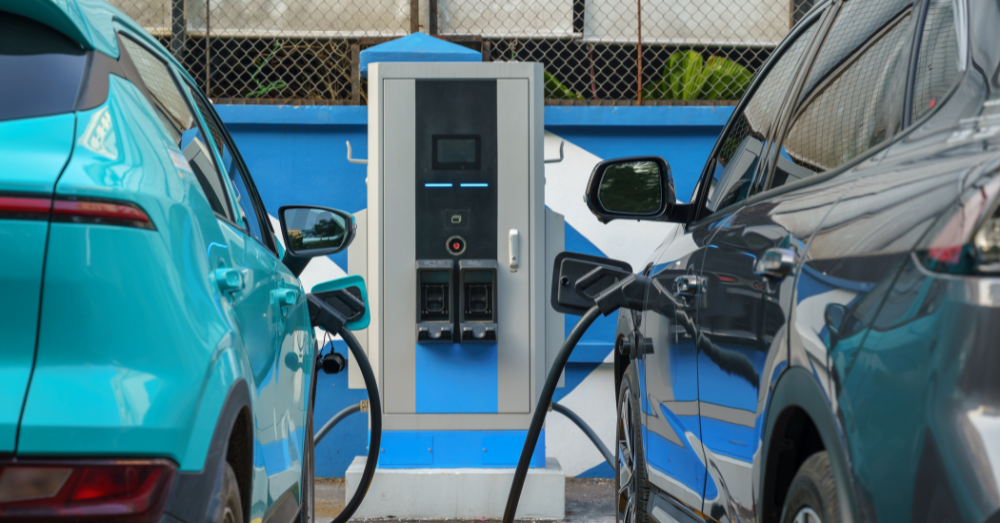
The electric car conversation tends to be all or nothing, but reality is way more practical. Driving a compact sedan from your Chicago apartment to the office five days a week? You’ll save a ton on fuel and maintenance with an Electric Vehicle. Hauling a 25-foot camper from Rockford to Lake Michigan every summer weekend? That same EV suddenly becomes a headache. The truth is that the right choice depends on matching the vehicle to your actual driving habits, not what looks good on paper or what social media tells you to buy.
- Urban commuters who drive fewer than 50 miles daily and have home charging will benefit most from EV ownership, with regenerative braking making stop-and-go traffic more efficient rather than draining fuel.
- Rural drivers who regularly tow heavy loads or travel beyond 200 miles without easy charging access should stick with gas or hybrid trucks, since EV range drops roughly 50% when hauling trailers.
- Midwest winters reduce EV range by 20-25% below freezing, so buyers need to factor cold-weather performance into their range calculations before committing to full electric.
Daily Commuting Inside Cities
Living downtown or in the suburbs with a daily routine of 20 to 40 miles and mostly stop-and-go traffic? Electric cars thrive here. Regenerative braking captures energy every time you slow down instead of wasting it as heat from brake pads.
Most EVs now offer 250 miles or more of range. You could go an entire week without charging while running errands and commuting. Home charging overnight costs about $1.50 per 100 miles in many Midwest states, compared to $12 or more in a gas vehicle. Over a year, that’s real money back in your pocket.
Long Weekend Drives And Road Trips
Here’s where things get trickier. Taking frequent weekend trips from Milwaukee to the Upper Peninsula or driving from Indianapolis to the Ozarks means planning around charging stops. Fast chargers are more common along major highways, but rural areas still have gaps. A 300-mile drive in an EV might require a 30-minute charging break, which some people don’t mind and others find annoying.
Hybrids work well for this scenario because you get the fuel savings around town but keep the flexibility of a gas tank for longer trips. No stress about finding chargers in small towns or waiting in line during holiday weekends when everyone’s traveling at once.
Towing Boats And Campers
Regularly hauling a boat to Lake Superior or towing a travel trailer through Michigan state parks? An EV truck probably won’t meet your needs yet. Towing cuts EV range roughly in half, so a truck rated for 400 miles might only get 200 when pulling a 10,000-pound load. That means frequent charging stops, and many charging stations aren’t designed for vehicles with trailers attached.
The 2024 Chevy Silverado EV can tow up to 10,000 pounds with its extended-range battery, which sounds impressive until you realize you’ll be stopping every 100 miles to recharge. Gas and diesel trucks still work better for serious towing, especially when covering rural routes where chargers are scarce.
Cold Weather Reality Check
Midwest winters hit EVs harder than gas cars. Temperatures drop to 20 degrees or below, battery chemistry slows down, and cabin heating drains extra power. Studies show EVs lose about 25% of their range in cold weather, with some models dropping up to 40% in extreme conditions. That 300-mile range shrinks to 225 miles when it’s freezing outside.
Gas cars also lose efficiency in winter, but they produce waste heat from the engine that keeps the cabin warm for free. EVs have to pull energy from the battery to run the heater, which eats into range fast. An 80-mile round trip commute with outdoor parking might mean charging more often than expected from November through March.
Where Charging Stations Actually Exist
Major Midwest metro areas like Chicago, Minneapolis, Detroit, and Columbus have solid charging networks. Fast chargers show up at shopping centers, office parks, and along interstate highways. As of early 2025, 45% of rural counties have at least one fast charging station, compared to over 75% of urban counties.
Smaller towns and remote areas mean relying heavily on home charging. Installing a Level 2 home charger runs between $500 and $2,000 depending on your electrical setup. Apartment dwellers without dedicated parking need public charging, which adds time and planning.
Figuring Out What Actually Works
The best vehicle choice comes down to honest math about how you actually drive. Track your mileage for a month. Ninety percent of your trips under 50 miles with a garage or driveway? An EV will likely save you money and hassle. Towing regularly, driving long distances weekly, or lacking reliable charging access? A gas or hybrid vehicle works better. Choose what fits your situation instead of what’s trendy.
This article might include affiliate links, which means we may receive a commission if you make a purchase using these links, without any additional cost to you. We have thoroughly researched and tested all products featured to provide a trustworthy review.
 Ava Rodriguez
  Lucas Foster